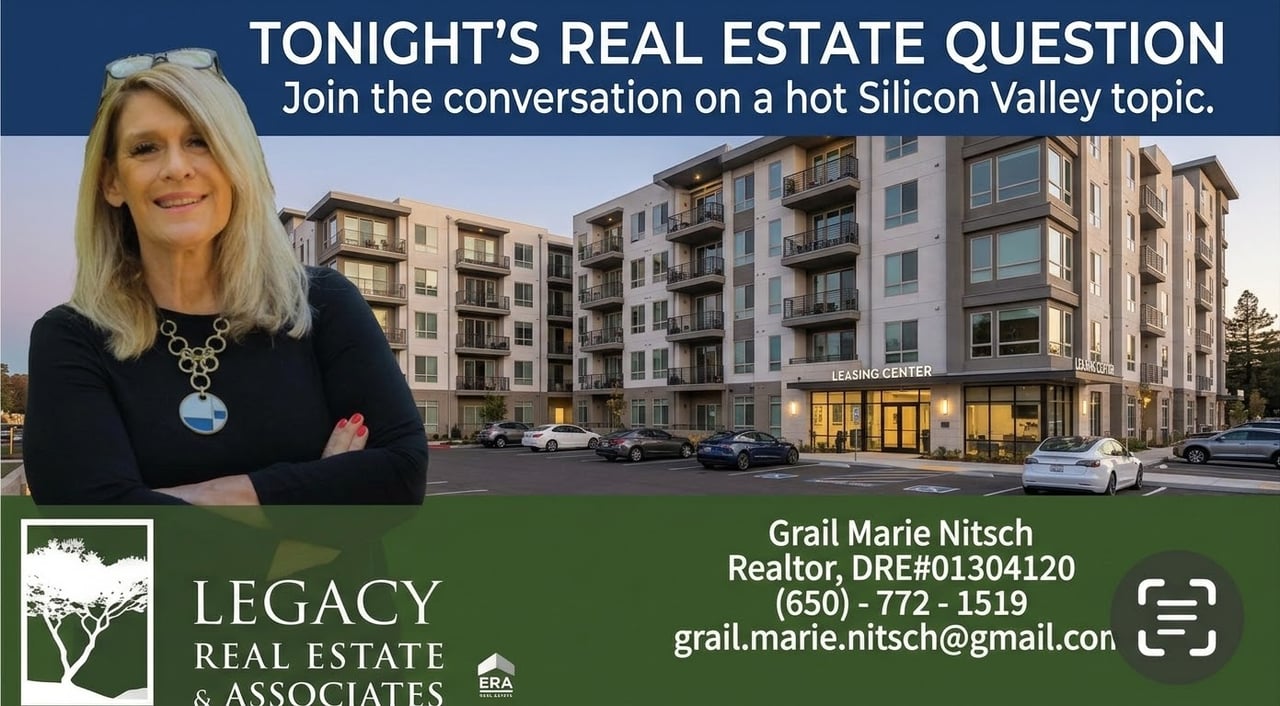
Why Some Silicon Valley Condos Are Getting Multiple Offers While Others Are Selling at Fire-Sale Prices in 2026?
How Compliance Status Is Becoming a Pricing Variable in Silicon Valley Condominium Sales

485 Benvenue Ave Los Altos CA 94024 41111 Mission Blvd Fremont CA 94539
485 Benvenue Ave Los Altos CA 94024 41111 Mission Blvd Fremont CA 94539
Answer: Balcony Compliance and Condo Pricing: A Growing Issue in the Silicon Valley Real Estate Market
HOAs must have conduct balcony inspections, and those complete reports with inspections of all units are to be included in HOA disclosure packages.
What this creates in Silicon Valley is essentially two classes of condo buildings: compliant buildings and non-compliant buildings in the market place.
There are 2 types of buildings/units:
1- Compliant Buildings/Units:
Older condo buildings that have completed inspections and addressed repairs are seeing stronger buyer demand. In many Silicon Valley communities these units receive multiple offers and strong showing activity. Buyers feel more confident when the inspection process is complete and the compliance status is clear and the drop interest rates is helping the market to move.
2-Non-Compliant Buildings
At the same time, similar condos—same city, price range, and age—can sell for much lower prices if the building has not completed inspections or repairs. Some of these units sell at what appears to be “fire-sale pricing,” even when past comparable sales or appraisals suggest higher values.
Financing is another factor. Some lenders will still finance purchases in non-compliant buildings, but buyers may face higher interest rates and insurance costs tied to perceived risk.
For buyers, this creates confusion.
Two condos can appear nearly identical on paper, yet one receives multiple offers while the other sells far below expectations.
When a seller accepts a lower cash offer due to compliance concerns, that sale becomes a comparable used in future valuations. Those comps can influence pricing and refinancing for years to come.
This raises an important question for our local market.
Should there be clearer transparency in the MLS regarding compliance status?
If compliance affects increasing or decreasing financing, insurance, buyer demand, and sale prices, should compliant and non-compliant buildings be grouped together in the same pool of comparable sales?
The goal is not to stigmatize buildings or owners. The goal is clarity so buyers, sellers, HOA boards, lenders, and appraisers understand why a property sold at a certain price and what the building’s compliance status was at the time.
If you are a buyer, homeowner, HOA board member, lender, or real estate professional, I would value your perspective.
Should Silicon Valley consider clearer disclosures or separate classifications for compliant and non-compliant buildings?
Feel free to send me a private message on this hot topic.
— Grail