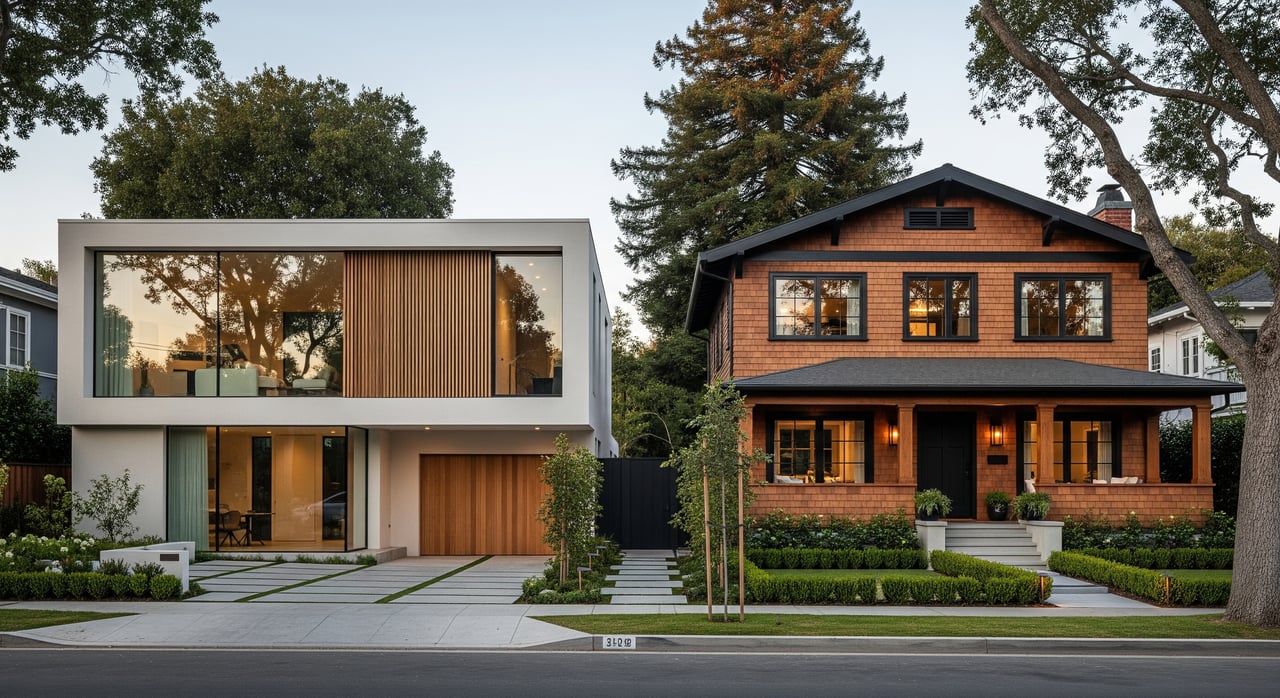
Are you weighing a brand-new build against a beautifully remodeled home in Palo Alto? In a low-inventory, high-demand market, that choice shapes your budget, timeline, and long-term value. You want clarity on costs, permits, financing, taxes, and resale so you can move forward with confidence. This guide breaks it down for Palo Alto and nearby Peninsula communities so you can make a smart, calm decision. Let’s dive in.
Palo Alto market reality
Palo Alto is a high-cost, low-inventory market where land values carry significant weight. Demand is driven by tech employment, strong household incomes, and interest in the Palo Alto Unified School District. With limited lots and high teardown costs, you often compare an older home with potential against a move-in-ready property or a ground-up new build. Turnkey homes tend to sell faster and at a premium, while new construction can command higher prices for modern systems and efficiency, but at elevated development costs.
What counts as new vs remodeled
New construction defined
New construction includes ground-up builds on vacant or cleared lots and full teardown and rebuild projects. In Palo Alto, you will see custom luxury builds and infill modern homes. These projects deliver new systems, open layouts, and current code compliance.
Common remodel types
- Cosmetic or minor remodel: paint, flooring, fixtures, and light kitchen or bath updates.
- Major remodel: full kitchen or bath gut, layout changes, and new systems like HVAC, plumbing, or electrical.
- Addition or expansion: added square footage such as a new room, second story, or an ADU.
- Seismic or structural retrofit: foundation work, shear walls, and other safety upgrades.
Cost and timeline expectations
Budget drivers include lot value, demo and foundation work, structural and seismic scope, permits, utility connections, materials and labor, and design and engineering. Minor remodels usually cost much less per square foot than new construction. Major remodels and additions can approach new-build costs when structural changes and systems upgrades are significant. In the Bay Area, use local contractor bids, since national averages often underestimate costs.
Typical timelines
- New construction: about 9 to 18 months from permits to completion, and sometimes longer if design review or utility upgrades are needed.
- Major remodel or addition: about 4 to 12 months, depending on scope and inspections.
- Minor remodel: from a few weeks to a few months.
Budget planning tips
- Get multiple bids with detailed scopes and allowances.
- Build in contingency for unknowns like structural or utility issues.
- Confirm permit requirements early to avoid delays.
- Align your timeline with life events, school calendars, and lending deadlines.
Permits and codes in Palo Alto
Most structural, electrical, plumbing, or mechanical work requires permits. Additions and teardowns often require planning review, and some neighborhoods have design guidelines or historic considerations. Begin with the City’s resources and start conversations early to understand submittal needs and review timelines. Review the City of Palo Alto Planning & Development Services guidance to map your path before you commit.
- Learn more at the City of Palo Alto Planning & Development Services page: Planning & Development Services.
Energy and electrification standards
California’s building and energy codes apply to new homes and to many remodels, with updates happening regularly. New construction must meet current standards, while remodels may be grandfathered for some systems unless work triggers upgrades. Review the California Title 24 energy standards to understand requirements before setting your scope.
Site and infrastructure considerations
Palo Alto is in a seismically active region, so foundation and structural upgrades are common and can be costly. Stormwater controls, tree rules, and protected species can affect site work. Some projects need utility relocations or capacity upgrades, so coordinate with local utilities early. These factors often influence both timeline and budget.
Property taxes and assessments
In California, a change of ownership and most “new construction” can trigger property tax reassessment. Significant additions or newly created living space are often reassessed, while cosmetic repairs typically are not. For specifics on how your project may be assessed, consult the Santa Clara County Assessor.
Financing your plan
Buying completed homes can be financed with conventional mortgages, including jumbo loans, which are common at Palo Alto price points. If you plan to renovate, some buyers use renovation mortgages like the FHA 203(k) program overview or Fannie Mae HomeStyle Renovation, depending on eligibility. For new builds or major teardowns, a construction-to-permanent loan may fit, while current owners sometimes consider a HELOC or a cash-out refinance. Keep appraisal dynamics in mind, since appraisers rely on comps and unique custom builds or unusual remodel scopes can be harder to value.
Value and resale in Palo Alto
Turnkey homes frequently sell faster and can command higher prices because many buyers want to minimize disruption. New construction typically earns a premium for modern layouts, energy efficiency, and new mechanicals, but that premium must be weighed against land, permitting, and build costs. High-quality remodels, especially kitchens, bathrooms, and systems upgrades, can deliver strong returns, though ROI varies by scope and market timing. For broad benchmarks, see the Remodeling Magazine Cost vs. Value reports and compare to local comps.
What buyers value locally
- Efficient layouts with flexible work and family spaces.
- Modern systems, EV charging capability, and energy efficiency.
- Seismic resilience and low-maintenance exteriors.
- Usable outdoor areas and proximity to Peninsula job centers and transit corridors.
Buyer checklist: new vs remodeled
- Confirm school boundaries and planned zoning or neighborhood changes.
- Review permit history and check for any unpermitted work.
- Order a thorough home inspection; for remodeled homes, verify structural, mechanical, and systems work plus permits and warranties.
- Confirm utility capacity for EV charging or high-efficiency HVAC.
- Compare neighborhood comps for new builds versus remodeled homes to understand pricing.
Seller paths: as-is, remodel, or rebuild
- Sell as-is for speed, recognizing that visible work may reduce the price.
- Remodel, then sell to broaden appeal and potentially increase final price, balancing costs and timing against the listing window.
- Teardown and rebuild to unlock lot value in premium locations, with longer timelines and regulatory complexity.
- Run an after-repair value comparison against estimated costs, discuss permit feasibility with the City, and review tax implications with the County Assessor.
When new construction makes sense
Choose a new build if you want a custom layout, the latest energy and code standards, and the peace of mind that comes with new systems. You accept a longer timeline and more complex approvals in exchange for long-term efficiency and design control. This path can maximize appeal in prime locations when the finished product aligns with neighborhood expectations.
When a remodeled home shines
Choose a remodeled property if you want speed, lower upfront cost relative to a custom build, and a predictable timeline. High-quality renovations with updated kitchens, baths, and systems can provide strong day-one livability and broad buyer appeal at resale. In established neighborhoods, a well-executed remodel can deliver the best balance of value and convenience.
Bottom line
In Palo Alto, the best choice depends on your priorities for timeline, customization, and budget. New construction delivers modern performance and design, while a well-remodeled home offers speed and predictability in a tight market. Either path can work when your plan fits local permitting, costs, and resale expectations. If you want a calm, data-informed strategy tailored to your goals, we are ready to help.
Ready to compare scenarios for your address or target neighborhood? Connect with The Grail Group for a private consultation and an instant property valuation.
FAQs
What is the main difference between new construction and remodeled homes in Palo Alto?
- New construction is a ground-up or full teardown and rebuild with all-new systems and current codes, while a remodeled home updates an existing structure, ranging from cosmetic to major structural work.
How long does new construction take in Palo Alto compared to a remodel?
- New builds commonly take about 9 to 18 months or longer, while major remodels often run 4 to 12 months and minor remodels can be completed in weeks to a few months.
Do I need permits for a remodel in Palo Alto?
- Most structural, electrical, plumbing, or mechanical work requires permits and sometimes planning review; start with the City’s Planning & Development Services to understand submittals and timelines.
Will remodeling or building new affect my property taxes in Santa Clara County?
- Significant additions and new living area are often reassessed, while cosmetic repairs usually are not; check specifics with the Santa Clara County Assessor.
What energy rules apply to new homes and remodels in California?
- New homes must meet current California code, and certain remodel scopes trigger upgrades; review the Title 24 energy standards before finalizing your plans.
What loan options can help finance a remodel or new build in Palo Alto?
- Buyers sometimes use renovation mortgages like FHA 203(k) or Fannie Mae HomeStyle, while new builds may use construction-to-permanent loans; jumbo loans are common for completed purchases.
