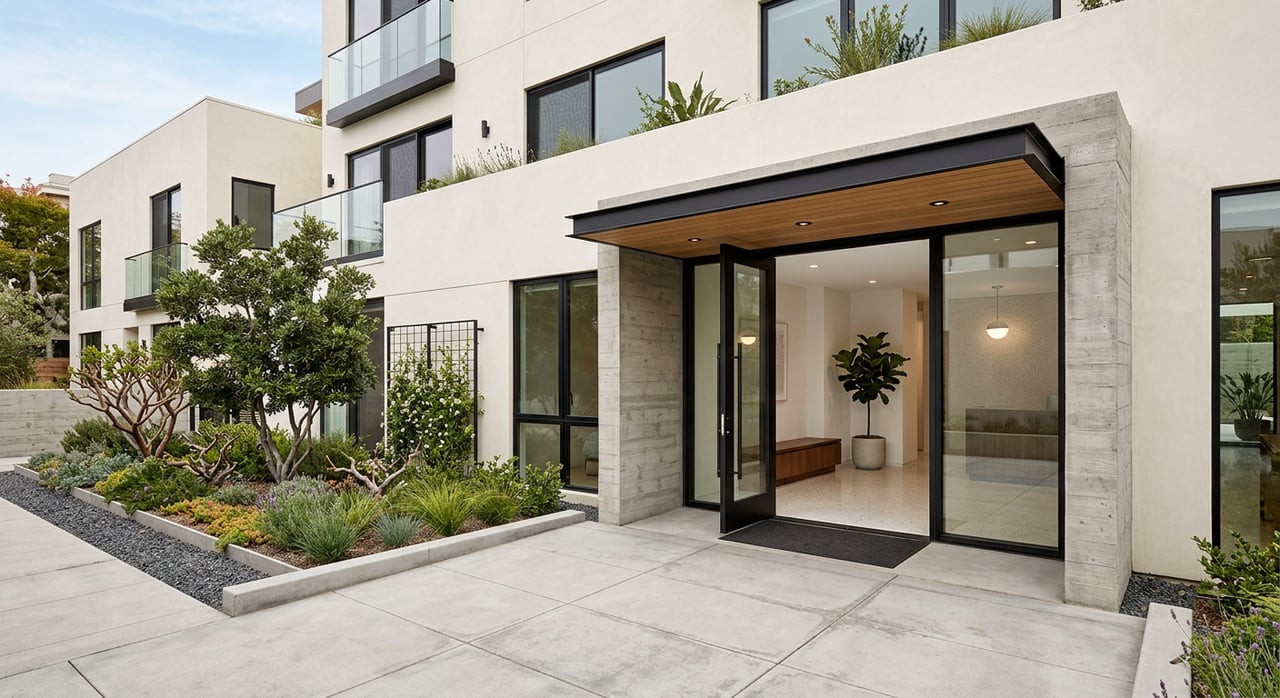
Thinking about a condo near Castro Street but not sure if a brand-new building or an established community is the better fit? You are not alone. In Mountain View, both paths can work well, but each comes with different costs, risks, and lifestyle tradeoffs. In this guide, you will see how to compare new versus resale condos through the lens of HOA health, construction quality, financing, energy and EV readiness, and seismic safety. By the end, you will have a clear checklist to make a confident choice. Let’s dive in.
Why Mountain View condos stand out
Downtown Mountain View centers on Castro Street, a compact, walkable core with coffee, dining, and everyday services within a few blocks. If you want a car-light lifestyle, proximity to the Downtown Transit Center is a major plus, with Caltrain and VTA lines connecting across the Peninsula and South Bay. You can check how walkable this area is using the Walk Score around Castro Street, which is very high for daily errands and dining options. See an example near the heart of downtown on the Castro Street Walk Score map.
For work, Mountain View is anchored by major employers and research hubs. The Googleplex and other tech employers create steady housing demand within short bike, shuttle, and Caltrain commutes. That kind of access helps both day-to-day convenience and future resale appeal.
On price, Mountain View is a high-demand, low-inventory market. Condos and townhomes typically trade below single-family home prices but still at a premium compared to many nearby cities. Since exact pricing shifts by building, amenities, and condition, use your agent’s MLS data and the HOA resale packet to understand true carrying costs.
New vs resale: what changes your total cost
HOA budgets, reserves, and disclosures
In California, condo resale transactions follow the Davis–Stirling Act. Sellers must provide a full resale disclosure packet that includes governing documents, budgets, reserve summaries, and, on request, meeting minutes and an estoppel or resale certificate. Expect to receive and review these early in escrow. You can see the statutory disclosure framework in the Davis–Stirling code section.
New developments often start with developer-controlled boards and optimistic early budgets. Initial reserve balances can be low until a post-turnover reserve study is done. Established resale communities usually have multi-year financials, reserve studies, and an assessment history, which helps you gauge the risk of future special assessments. California requires associations to complete visual inspections and long-range funding plans on a set cadence. Learn more about reserve study expectations in this overview of California reserve-study requirements.
What to verify from the packet:
- Current HOA dues and what they include, such as water, garbage, insurance, parking, or amenities. Do not rely on listing notes. Read the budget and insurance summary.
- The most recent reserve study and the association’s “percent funded.” A low percent funded rate increases special assessment risk.
- Any approved or proposed special assessments and any litigation notices. These can affect both costs and loan eligibility.
Construction, warranties, and defect risk
New construction brings modern mechanicals, current building-code seismic standards, and energy features that lower near-term maintenance risk. Newer projects may also include EV infrastructure and better building envelopes. The state’s building code updates, such as those summarized in this Title 24 and CALGreen guide, favor efficiency and safety.
That said, new builds are not risk-free. California’s “Right to Repair” law (SB 800) governs how construction defect claims are handled for new homes. Ask for the developer warranty, punch-list records, and any notices or claims filed by early owners or the HOA. You can review the structure of the law via SB 800.
For resale buildings, look for signs of deferred maintenance or known big-ticket items, such as roof, elevator, garage waterproofing, and exterior envelope repairs. Also check whether those projects are complete and how they were funded.
Amenities and operating costs
Newer downtown projects often offer concierge-like amenities, gyms, rooftop spaces, co-working lounges, secure bike rooms, and EV charging. These can elevate your lifestyle and support long-term appeal. They also increase monthly dues and long-term replacement costs. Read the HOA’s amenity rules, usage restrictions, and whether operating or reserve funds cover maintenance.
Resale communities vary. Some offer modest amenities and lower dues, while others have upgraded facilities. If predictable carrying costs are your priority, focus on buildings with proven reserve funding and clear assessment histories.
Financing and project approvals
Condo financing depends on both your profile and the project’s eligibility. New or developer-controlled projects may not yet meet agency approvals, which can limit loan choices. Lenders use tools like Fannie Mae’s Condo Project Manager to review eligibility. Confirm the project’s status with your lender before removing financing contingencies. Learn more about Fannie Mae’s Condo Project Manager.
Energy, EV readiness, and code differences
Title 24 and current CALGreen standards push EV-ready wiring, efficient systems, and battery-ready electrical capacity in new multifamily buildings. If you own or plan to buy an EV, this can be a deciding factor. Many established buildings lack this infrastructure and can face expensive retrofits. See the state’s code updates in the Title 24 and CALGreen summary.
Seismic and structural safety
New buildings are designed to current seismic standards, which is a real benefit in the Bay Area. Older buildings may have unique vulnerabilities. Ask for structural reports, balcony and deck inspection records under SB 326 where applicable, and evidence of any required local retrofit compliance. For context on regional seismic risk, the USGS provides earthquake preparedness resources.
How your priorities point to new or resale
- Walkability and transit first: If you want to live steps from Castro Street and the Transit Center, focus your search on downtown buildings. Many are established and smaller-footprint, which can favor resale stock. See how walkable the area is on the Castro Street Walk Score map.
- Low maintenance and modern systems: If near-term repairs worry you, new construction often wins. You still need to read the developer warranty and HOA budget carefully. The Title 24 overview highlights why new builds can be more efficient.
- Predictable dues and reserves: If stable monthly costs are key, established communities with strong reserve funding are easier to evaluate. Use the reserve study and financials to confirm.
- Financing flexibility: Established projects with documented financials are often easier for agency underwrites. Have your lender check the project early using Condo Project Manager.
- Long-term marketability: Proximity to Castro Street and the Transit Center is a durable edge for future resale. The city’s economic development page highlights the strength of the area’s core. Explore Downtown Mountain View’s overview.
Buyer checklist for downtown Mountain View condos
If commute time matters, shortlist units within a 10 to 20 minute bike or transit ride to major employers. Proximity to the Googleplex and Caltrain can be a meaningful quality-of-life and resale advantage. Look for secure bike storage and clear EV charging policies.
For every listing you pursue, request the HOA resale packet on day one of escrow. California law sets delivery standards, and early review helps you catch surprises before your contingencies are due. See the Davis–Stirling disclosure section.
For new projects, obtain the developer warranty, draft CC&Rs, the pro forma budget and reserve plan, and any notices related to construction issues. Learn how defect claims are handled under SB 800.
For resale units, review the last two to three years of financials, the most recent reserve study, minutes for the last 12 months, and records of recent capital work. A helpful primer is this guide to California reserve studies.
Confirm master insurance scope and your coverage needs. Ask whether the HOA carries bare-walls, walls-in, or all-in coverage, then match your HO-6 policy with strong loss-assessment coverage. This overview explains typical HOA and owner policy gaps.
Also track transit access. Caltrain’s Castro Street Grade Separation Project will shape future walkability and safety. Understanding these changes helps you judge long-term value.
Due diligence documents to request early
- Estoppel or resale certificate confirming current dues, assessments, fines, or liens. See the Davis–Stirling disclosure section.
- CC&Rs, bylaws, house rules, and architectural standards, including renovation and short-term rental policies. Covered under Davis–Stirling.
- Current budget, last two to three years of financials, delinquency report, and account statements. See reserve study context in this California reserve-study guide.
- Most recent reserve study with funding plan and the timeline for capital projects. Reference the reserve-study overview.
- Master insurance policy declarations and deductibles, plus earthquake and flood coverage status. Pair with a robust HO-6. Learn about coverage responsibilities.
- Minutes for the last 12 months, notices of claimed defects or litigation, and major vendor contracts. Delivery falls under Davis–Stirling.
- For new construction: developer warranty, draft CC&Rs, completion and permitting records, punch-list completion, and whether the HOA has transitioned to homeowner control. Review the repair process under SB 800.
Red flags that need deeper review
- Missing or outdated reserve study, very low percent funded, or recent large special assessments. See the reserve-study primer.
- Active structural or construction-defect litigation that could trigger assessments or loan denials. The Terner Center’s paper outlines construction defect liability trends.
- High owner delinquency rates or a single owner with a large share of units. This can affect financing under agency guidelines. See Fannie Mae’s project review guidance.
- HOA master policy with limited scope combined with owners who carry low HO-6 limits. Review insurance responsibilities.
Putting it together
Choosing between new and resale in Mountain View comes down to your daily priorities and your risk profile. If you value modern systems, EV readiness, and amenities, new construction can be compelling if the warranty and budgets check out. If you prioritize predictable dues and a proven financial track record, a well-run resale community near Castro Street may be the better match. In both cases, let the documents guide your decision and confirm project-level financing eligibility before you commit.
If you are ready to compare specific buildings, review a resale packet, or pressure-test dues and reserves, connect with The Grail Group. Our founder-led advisory brings three decades of Silicon Valley experience, discreet guidance, and white-glove support to help you move with confidence. Get an instant property valuation and private consultation.
FAQs
What are the key differences between new and resale condos in Mountain View?
- New builds often offer modern systems, EV readiness, and warranties, while resale communities provide multi-year financials and reserve histories that can make monthly costs more predictable.
How do HOA reserves affect my monthly costs?
- A higher percent funded reserve and a clear capital plan reduce the chance of special assessments, which helps keep your total monthly carrying cost stable over time.
Can I use FHA or VA financing on a Mountain View condo?
- It depends on project eligibility and current approvals. Confirm with your lender early and use agency tools like Fannie Mae’s Condo Project Manager for conventional loans.
Is EV charging common in downtown Mountain View condos?
- Newer buildings are more likely to be EV-ready due to Title 24 and CALGreen standards, while older buildings may need costly retrofits. See the state’s code updates.
How important is proximity to Castro Street and Caltrain for resale?
- Being near the Castro Street core and the Transit Center is a durable advantage for daily convenience and future marketability. Explore the city’s Downtown overview.
What documents should I review before removing contingencies?
- Ask for the full disclosure packet under Davis–Stirling, including financials, reserve study, minutes, master insurance, and any litigation notices, plus developer warranty materials for new builds.
