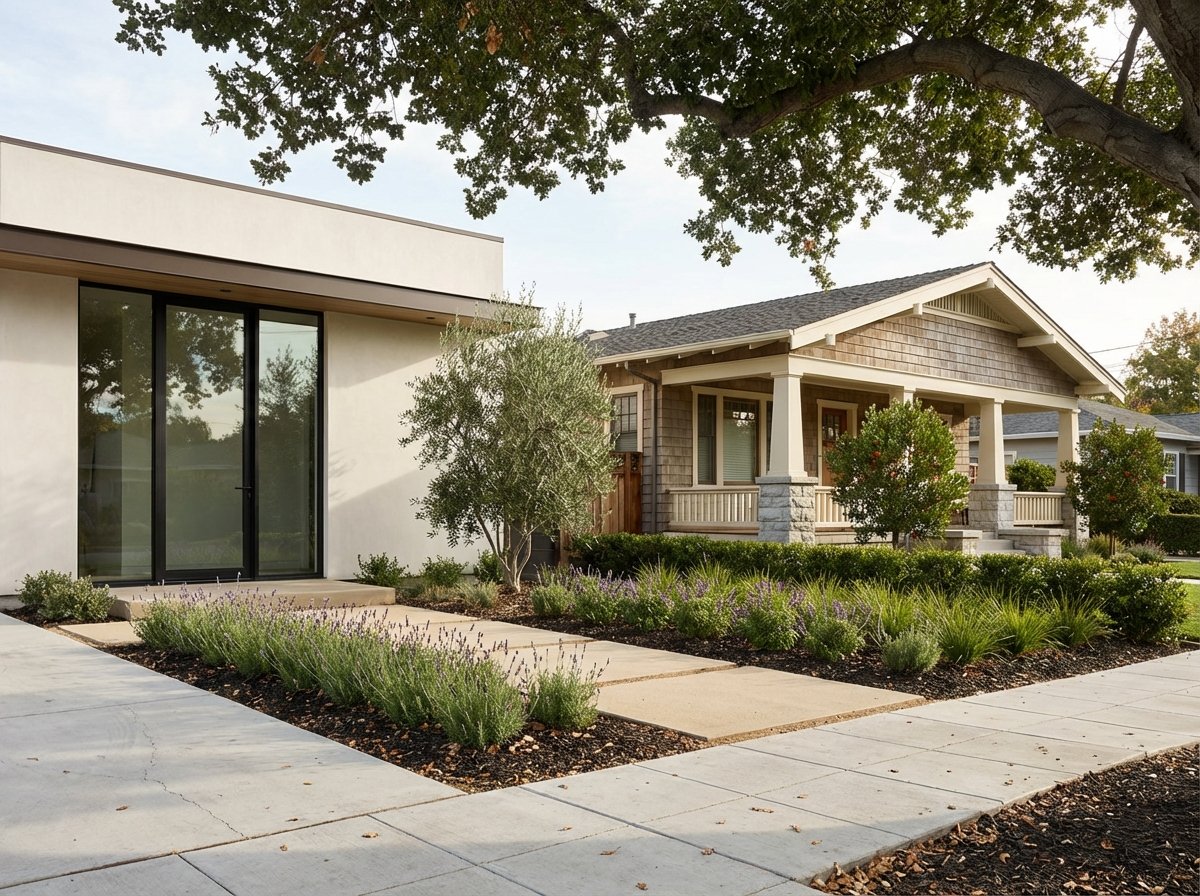
In Palo Alto, style speaks. A home’s architecture often signals how it lives, what it costs to maintain, and how easily you can expand it. If you are browsing luxury listings or planning updates before you sell, you want clear, local context to read those signals fast. This guide breaks down Palo Alto’s most common luxury styles, how each ages, the rules that shape remodels and additions, and the words to watch for in listing copy. Let’s dive in.
Why style signals matter in Palo Alto
Luxury homes in Palo Alto trade in a high-price, low-inventory environment. Recent reporting places many single-family sales in the low-to-mid millions, with ultra-luxury activity above $10 million appearing in select pockets. Proximity to Stanford and major tech employers, limited large lots near downtown, and well-regarded public schools all shape what buyers prioritize. That is why style, lot size, and permit history often matter as much as square footage.
Style also ties directly to local rules. Single-story overlays, historic districts, individual design review for second floors, and tree protections can all influence what you can change. Reading a style in context helps you price, plan, and negotiate with confidence.
Key luxury styles you will see
Mid-century modern and Eichler
Eichlers are single-story, post-and-beam homes with open plans, walls of glass, and indoor-outdoor flow. Many include atriums and original radiant-slab heat. They deliver relaxed, design-forward living, but aging systems often come up in inspections. Common items include radiant and plumbing updates, single-pane glazing, insulation upgrades, and roof membrane renewal. You can review typical retrofit topics for these homes in this overview of mid-century maintenance expectations from a regional specialist site (typical aging issues and upgrades).
Market signal: Intact or thoughtfully restored Eichlers often attract design-focused buyers and can outperform neighborhood averages on a per-square-foot basis. Many tracts have voluntary guidelines and some blocks have single-story overlays that restrict second floors. Always verify whether a property falls under city standards or an overlay (city design standards and overlays).
Contemporary and architect-designed new builds
Contemporary homes highlight clean geometry, glass walls, indoor-outdoor flow, and premium systems. They feel move-in ready, with smart-home tech, EV readiness, and flexible workspaces. Flat or low-slope roofs and large glazing assemblies perform well when detailed and maintained, so expect proactive roof and envelope care over time. Newer construction and substantial remodels often plan for higher energy standards and electrification, which affects appliance selection and permitting timelines (local green-building requirements).
Market signal: New builds often sell at a premium where lot supply is tight. In historically sensitive areas, demand can be strong but the buyer pool may be more selective about context and design fit.
Classic Craftsman and early revival styles
In established areas like Professorville and parts of Old Palo Alto, you will find Craftsman, Colonial, Tudor, and Spanish-Revival homes with porches, built-ins, and rich wood details. These homes can include older mechanicals and pre-1978 finishes. If lead-based paint is present, the EPA outlines prudent steps for safe management and renovation (EPA guidance on lead safety).
Market signal: Historic fabric and neighborhood continuity matter here. Some blocks sit within or near designated historic districts that add review steps for exterior changes (Palo Alto historic districts). Buyers who value provenance and restoration quality often focus on documentation and permit history.
Mediterranean and estate-scale homes
Stucco walls, clay tile roofs, formal courtyards, and larger lots are common markers. Pool terraces, guest quarters, and generous gardens often complete the picture. Tile roofs are long-lived but repairs and re-bedding can be costly. Stucco detailing and drainage deserve attention in inspections. In well-known prestige pockets like Crescent Park, larger-lot Mediterranean homes communicate scale and privacy (neighborhood snapshot: Crescent Park).
Market signal: These homes read as resort-like living and formal entertaining. Permit history for pools, accessory structures, and guest spaces is a key value and trust factor.
Other styles you may encounter
Victorian and Queen Anne pockets appear in parts of Old Palo Alto and Crescent Park. Ranch and hybrid luxury suburban homes also appear across town. The signal varies by block and lot, so rely on permit history, lot size, and neighborhood context to interpret value.
Style plus local rules: what to check
Palo Alto’s planning standards can meaningfully affect additions, window placements, second floors, and outbuildings. Before you anchor on a listing’s potential, verify:
- Single-story overlays and Eichler guidelines. Many Eichler tracts carry single-story overlays and voluntary guidelines that limit second-floor additions and set expectations for exterior changes. Start with the city’s objective design standards and overlay resources (city design standards and overlays).
- Historic districts. Properties within or adjacent to recognized districts may require additional historic-resource review (Palo Alto historic districts).
- ADUs and JADUs. Accessory units are widely allowed within size, height, and setback limits. Lot coverage and design standards still apply, so verify feasibility early (ADU and JADU handbook).
- Two-story and Individual Review. Many second floors and all new two-story homes above stated thresholds go through the Individual Review process or must meet objective standards, which affects timelines and risk (forms and applications, including IR).
- Tree protections. Large trees may be protected, which can affect pool placement, additions, and driveways. Note any heritage oaks or significant trees in site photos and confirm permit requirements (tree ordinance information).
- Green building and electrification. Reach-code expectations influence scope and cost for new builds and major remodels (local green-building requirements).
- Seismic retrofits. Foundation bolting and cripple-wall bracing are common upgrades in Bay Area homes. Programs like Earthquake Brace + Bolt can help eligible owners with costs (EBB and CRMP program info).
Read listing language like a pro
Use these quick signals to decode listings and showing notes. Pair them with questions for the listing agent.
- “Single-story Eichler atrium plan, post-and-beam.” Translation: intact mid-century layout. Ask about roof age, radiant-slab history, and glazing upgrades (typical aging issues and upgrades).
- “Architect-designed modern, newly permitted.” Signals a recent build or major remodel with approvals. Ask to see permits and final inspections on file (forms and applications, including IR).
- “Old Palo Alto or Crescent Park provenance.” Suggests a prestigious location and often larger lots. Verify exact block context and nearby parks or commute routes (neighborhood snapshot: Crescent Park).
- “ADU potential, see city handbook.” Clarify whether an existing ADU is permitted and whether the lot supports a new one under current rules (ADU and JADU handbook).
- “Seismically retrofitted, bolted and braced.” Strong trust signal. Request documentation, including any grant program records (EBB and CRMP program info).
- “Original details, restored millwork.” Great for character homes. Confirm electrical panel capacity, plumbing updates, insulation, and any hazardous-materials remediation as needed (EPA guidance on lead safety).
Common red flags to probe further:
- Unpermitted additions, guest houses, or pools
- Flat-roof leak evidence or chronic drainage issues
- Knob-and-tube wiring or undersized electrical panels
- Tree removals without permits where protections apply
When in doubt, ask: Has the seller provided permit history and final inspections? Is the property in a single-story overlay, Eichler tract, or historic district? Were seismic upgrades documented? The city’s planning portal is your friend for verification (forms and applications, including IR).
If you plan to sell: prep by style
- Eichler or mid-century modern. Prioritize watertight roofing, radiant-slab disclosures, and window or insulation upgrades where appropriate. Provide clear permit records and any design-guideline notes or overlay confirmations (city design standards and overlays).
- Contemporary new build. Organize a maintenance log for roof and exterior envelope. Highlight smart systems, EV readiness, and compliance with local green codes (local green-building requirements).
- Classic Craftsman or revival. Showcase restored finishes and original details. Document electrical, plumbing, and HVAC updates, plus any historic-district guidance or approvals (Palo Alto historic districts).
- Mediterranean estate. Confirm tile-roof condition, stucco and drainage details, and permits for pools, guest suites, and outdoor structures. Provide landscape and tree documentation where protections might apply (tree ordinance information).
Neighborhood and lot context
In Palo Alto, the same style can read differently from block to block. Large lots near downtown are scarce, and overlays or historic status can increase design scrutiny. When you evaluate a listing, weigh three anchors alongside style: lot size and shape, confirmed permit history, and whether any local overlays or historic designations apply. Those details will frame what you can build, how you can live in the home, and how future buyers will read its value.
The bottom line
Style in Palo Alto is more than a look. It is a set of living patterns, maintenance realities, and local rules that shape long-term value. When you pair architecture with lot context and clear permits, you avoid surprises and position yourself to buy or sell with confidence.
If you want a local, private read on a specific property or plan, connect with The Grail Group for a data-informed consult and discreet, white-glove guidance.
FAQs
What does an Eichler home in Palo Alto signal to buyers?
- An intact or thoughtfully updated Eichler often signals design scarcity and strong indoor-outdoor living, but buyers expect clarity on roof, radiant-slab history, glazing, and any single-story overlay limits (city design standards and overlays).
How do Palo Alto rules affect adding a second story to a luxury home?
- Many areas require Individual Review and compliance with objective standards, and some Eichler tracts have single-story overlays that prohibit second floors, so always verify zoning and process first (forms and applications, including IR).
Are ADUs common in Palo Alto and do they impact value?
- ADUs are widely permitted within size and design limits and often signal flexibility for guests or work, but value depends on permit status, quality, and fit with lot standards (ADU and JADU handbook).
What maintenance red flags are common for mid-century modern homes in Palo Alto?
- Look for roof membrane age, radiant-slab repairs or replacements, older single-pane windows, and insulation levels, then confirm upgrades and permits during inspections (typical aging issues and upgrades).
How do historic districts in Palo Alto impact renovation plans?
- Historic districts can introduce review steps and design guidance for exterior work, so budget time for approvals and confirm what changes are allowed on your specific parcel (Palo Alto historic districts).
