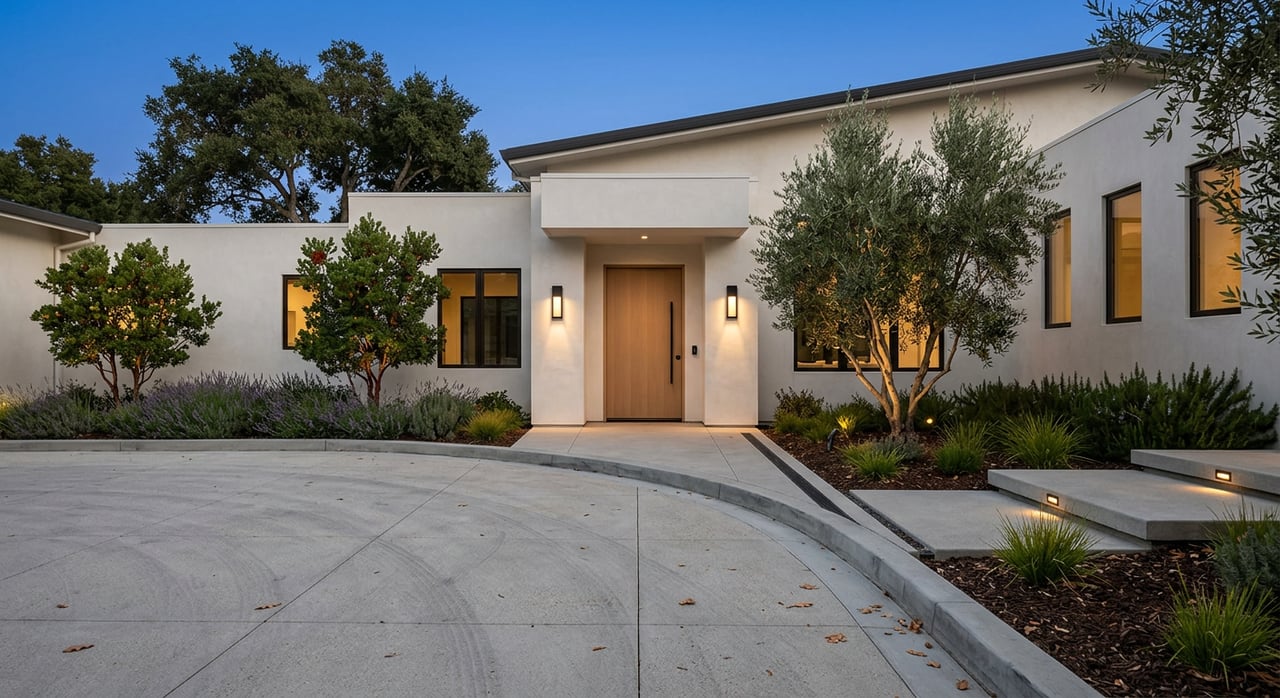
Planning to sell a Los Altos Hills estate in 94022 within the next 6 to 18 months? The right pre-market plan can protect value, reduce surprises, and keep your timeline on track. You may be balancing heritage oaks, wildfire requirements, private septic or wells, and luxury-level marketing. This guide gives you a clear roadmap, rooted in local rules and best practices, so you can move from early decisions to a smooth market debut. Let’s dive in.
Why Los Altos Hills estates need a plan
Estate-scale properties in Los Altos Hills often sit on large, view-oriented lots with protected trees and hillside conditions. Many parcels have private driveways, access easements, or on-site wastewater systems that add steps before listing. You also need to prepare for California’s defensible-space rules and potential AB 38 point-of-sale requirements if your property is in a mapped High or Very High Fire Hazard Severity Zone. A thoughtful sequence helps you avoid permitting bottlenecks, schedule vendors in the right order, and present a curated, move-in-ready experience.
12 to 18 months out: strategy and permits
Start with a strategy session that weighs three paths: list as-is with targeted fixes, complete light cosmetic and curb updates, or pursue larger permitted work. If you are considering substantial site changes or tree work, meet early with the Town’s planning staff and your design team. Site Development reviews can be discretionary and may include conditions tied to slope, oak coverage, and creek setbacks, so you want clarity on scope and timing.
- Confirm if your project needs Site Development review and understand typical conditions of approval. The Town often requires landscape plan review and installation before final sign-off, with landscape maintenance deposits commonly in the $5,000 to $20,000 range for major projects. Review the Town’s guidance on complete conditions of approval.
- If you are evaluating an ADU or hillside work, note that geotechnical reports may be required. The Town’s ADU page outlines administrative processing and hillside considerations. Plan ahead using the Accessory Dwelling Units guidance.
- For protected trees, especially heritage oaks, removal or major work requires a Town permit and arborist report. Begin arborist evaluations early and review submittals on the Tree Removal Permit page.
Vendor availability for high-end trades can stretch over months. Begin sourcing architects, landscape designers, arborists, septic and well specialists, and pool or grading contractors in this window to secure bids and hold your place on their schedules.
6 to 12 months out: major work and landscape
If you chose larger permitted work, submit and secure permits before you invest in cosmetic updates. For estate properties, heavy exterior work and landscape installation should be completed or well stabilized before media and staging.
- Tree work: Allow time for arborist reports, Town permits, and crew scheduling. Heritage oak decisions and mitigation plans can add weeks.
- Landscape build: In our Mediterranean climate, fall planting is ideal so new trees and shrubs can establish through winter rains. Save smaller seasonal color refreshes for closer to listing.
- Septic and well: Many parcels rely on private on-site wastewater systems. Locate historical permits and maintenance records, and consider a fresh county-accepted inspection if you plan to sell soon. See Santa Clara County’s Environmental Health FAQs for on-site wastewater and water system basics.
2 to 6 months out: inspections and curb appeal
Use this window to surface and address issues on your schedule, not under escrow pressure. Pre-listing inspections are common for large or older estates and can reduce renegotiation risk.
- Order seller-side inspections: general home, termite/WDO, roof, HVAC, pool, chimney, and septic or well as applicable. Repair safety or system issues that are likely to appear on buyer reports.
- Complete defensible-space work if you are in a mapped High or Very High Fire Hazard Severity Zone. PRC 4291 defines Zone 0 to Zone 30 standards and thinning up to 100 feet; review CAL FIRE’s defensible space guidance and schedule a local inspection with LAHCFD if needed.
- Document wildfire compliance: AB 38 created point-of-sale documentation requirements in many mapped zones. Learn what sellers must provide in the AB 38 text and coordinate with the Los Altos Hills County Fire District’s defensible space program.
- Dial in curb appeal: Refresh entry gates, lighting, and front-of-property landscaping. Targeted exterior updates often deliver reliable returns in Bay Area markets; see regional ROI perspectives from Schumacher Appraisal.
0 to 8 weeks out: market-ready presentation
Now you focus on show readiness, media, and a curated property dossier for buyers. The goal is a clean, consistent story across photos, floor plans, aerials, and documentation.
- Staging and styling: Stage priority spaces like the living room, kitchen, and primary suite. Industry data shows staging can shorten time on market and increase offers in some cases. Explore insights from the NAR staging blog.
- Media package: Book professional photography, twilight shoots, floor plans, and a 3D tour if appropriate. For aerials, hire a pilot with an FAA Part 107 certificate; confirm airspace permissions as needed. Learn more about licensing on the FAA Part 107 page.
- Buyer-ready file: Compile permits, arborist reports, defensible-space documents, septic or well records, surveys, and pre-inspections. Organized disclosures and records reduce friction once offers arrive.
Permits and compliance to expect
Los Altos Hills has unique site and environmental standards that shape both scheduling and scope. Understanding these early helps you avoid mid-project pauses.
- Heritage oaks and tree work: Any removal of a protected heritage oak requires a Town permit with an arborist report. Hazard removals have expedited paths, but non-emergency removals require prior application. Review the Tree Removal Permit process.
- Site Development and conditions: Larger projects often undergo Site Development review with tailored conditions based on slope, oak coverage, and setbacks. Landscape plan approval and installation before final sign-off is common, with landscape maintenance deposits typically in the $5,000 to $20,000 range for major work. See the Town’s conditions of approval.
- ADUs and geotechnical: ADUs are often processed administratively, but hillside or geologic-hazard sites may trigger geotechnical reports and added coordination. Check the Town’s ADU guidance.
- Defensible space and AB 38: PRC 4291 sets baseline defensible-space zones statewide. AB 38 adds seller disclosure and documentation requirements in mapped High or Very High zones. Reference CAL FIRE’s defensible space and the AB 38 text. LAHCFD also posts timelines and assistance via its defensible space program.
- Septic and well systems: Many parcels use private on-site wastewater systems and private wells. Gather County DEH permits, designs, inspection or pumping records, and current water tests where applicable. The County’s Environmental Health FAQs are a helpful starting point.
Your inspections and document checklist
Collecting key documents early makes your property easier to evaluate and helps buyers act with confidence.
- Property records and surveys: deed, preliminary title, boundary or ALTA survey, recorded easements, and any private road or maintenance agreements.
- Building and permits: All permits and finals for major work, including additions, pool, ADU, grading, and significant site changes.
- Tree and landscape: Arborist reports, tree-removal permits for heritage oaks, any required replacement plans, and before-and-after defensible-space photos.
- Septic and well: County DEH permits and designs, pumping and maintenance receipts, on-site wastewater inspection reports, well logs, and water test results.
- Pre-listing inspections: general home, termite/WDO, roof, HVAC, pool, chimney, and sewer camera if connected to public sewer.
- Wildfire compliance: recent LAHCFD defensible-space record, chipping receipts, and any local notices related to weed abatement or defensible space.
- Maintenance history: invoices or records for landscape refresh, pool service, HVAC service, roof cleaning, generators, and water treatment systems.
Vendor coordination and estate logistics
Managing multiple vendors is normal for estate-scale prep. Sequence work to protect trees, structures, and access.
- Start with arborist and landscape design so tree protection, replacements, and planting plans inform permits and construction staging.
- Line up septic and well specialists early to avoid escrow delays from late inspections or repairs.
- For heavy equipment, plan driveway protection, tree fencing, and any needed encroachment coordination. Mark access routes and confirm staging areas in advance.
- Be mindful of nesting-season pruning limits and schedule major tree work outside active nesting windows where practical.
- For showings and staging, confirm insurance requirements for high-value homes. Require certificates of insurance from vendors and staging firms.
- For aerial media, verify your drone operator holds an FAA Part 107 certificate and can obtain any required airspace authorizations. Use the FAA Part 107 guidelines when screening providers.
Marketing that resonates with 94022 buyers
High-net-worth buyers expect a seamless presentation that tells a complete story of the property. Top-tier staging, photography, and documentation work together to support premium outcomes.
- Staging priorities: Showcase how large rooms live day to day by focusing on the living room, kitchen, and primary suite. Outdoor living areas should feel clean, curated, and low maintenance. For buyer behavior insights, see the NAR staging blog.
- Media and narrative: Commission twilight photography, high-resolution interiors, floor plans, and a selective 3D tour if it adds clarity. Pair your media with a concise property dossier that includes surveys, permits, maintenance history, and any wildfire compliance records.
- Timing your debut: Try not to list in the middle of major exterior work or planting seasons. If seasonal color matters for photos, schedule accordingly and document any in-progress exterior improvements with timelines and visuals to set buyer expectations.
- Smart ROI: In the Bay Area, targeted curb-appeal upgrades often recoup more reliably than elaborate landscaping or complex luxury amenities. Review regional ROI perspectives from Schumacher Appraisal to prioritize.
A polished plan, excellent documentation, and a premium media package make a meaningful difference with discerning 94022 buyers. When you stack these pieces together, you reduce friction and protect your negotiating position.
Ready to chart your pre-market plan, coordinate the right vendors, and launch with a curated listing presentation? Connect with The Grail Group to map a made-for-94022 strategy that covers permits, inspections, staging, and white-glove marketing.
FAQs
What makes Los Altos Hills estate prep different from nearby cities?
- Larger lots, protected heritage oaks, hillside conditions, and private septic or wells add steps for permits, inspections, and vendor sequencing. Wildfire defensible-space and AB 38 documentation can also apply.
How do I handle heritage oak work before listing in 94022?
- Start with an ISA-certified arborist report and apply for a Town permit before removal or significant work; review the Town’s Tree Removal Permit guidance and allow time for review and scheduling.
What is required for wildfire defensible space at sale in Los Altos Hills?
- PRC 4291 sets defensible-space standards, and AB 38 can require point-of-sale documentation in mapped High or Very High Fire Hazard Severity Zones; check CAL FIRE’s defensible space and LAHCFD’s program details.
Do I need pre-listing inspections for an estate home in 94022?
- They are widely recommended for complex or older estates to catch issues on your schedule, reduce renegotiations, and speed closings; common reports include general home, termite/WDO, roof, HVAC, pool, septic, and well.
Should I invest in major landscaping before selling a Los Altos Hills estate?
- Often, targeted curb appeal delivers more predictable ROI than expansive new landscaping; consider strategic updates and timing rather than complex, high-maintenance installs, referencing regional ROI insights from Schumacher Appraisal.
