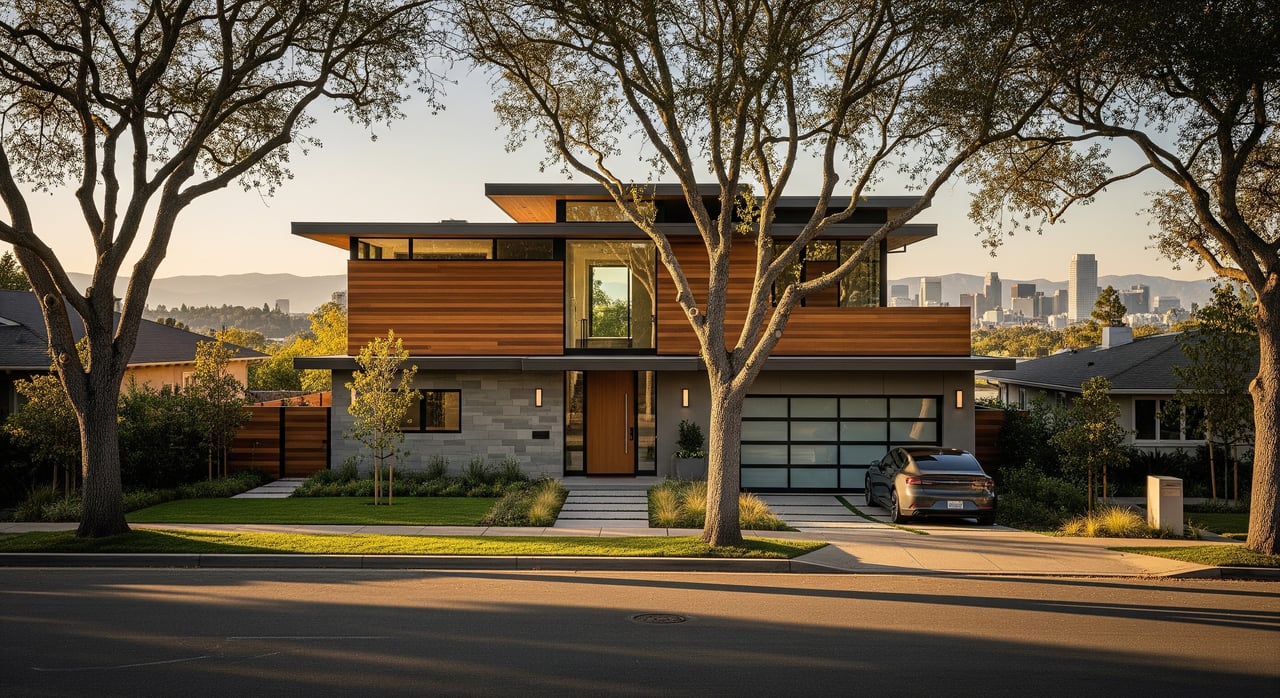
Thinking about relocating to San Jose but not sure where to start? With roughly about 1 million residents and a mix of urban hubs and quiet suburbs, the city offers many options that can feel overwhelming. You want a neighborhood that fits your budget, commute, schools, and lifestyle, without second-guessing after you move. This guide gives you a simple framework to compare areas and make a confident choice. Let’s dive in.
Start with non-negotiables
Begin by listing what you cannot change. Set a clear budget range and the housing type you need, such as single-family, townhouse, or condo. Note required beds, baths, and whether you want a yard or garage. Include your employment location, acceptable commute time, and any school or family needs.
Spell out your move timeline and financing plan. If you are buying and selling across regions, you may need a bridge loan or leaseback to align closings. A clear list of constraints helps you ignore noise and focus on neighborhoods that actually work.
Map commute and daily life
San Jose is spread out, and commute realities shape daily life. Use a map to test drive times during peak hours to your workplace. Include major corridors like I-280, US-101, I-880, CA-85, and CA-87. If you use transit, consider proximity to Caltrain, VTA light rail or bus lines, and BART service in North San Jose’s Berryessa area.
Add routine destinations to your map, such as schools, childcare, parks, and shopping. If quick airport access matters, note your distance to Mineta San Jose International Airport. This exercise narrows your practical radius and exposes trade-offs between time, stress, and budget.
Shortlist neighborhoods
With a radius in place, pick 4 to 6 candidate neighborhoods that fit your commute and budget. Pull in areas with different strengths so you can compare apples to oranges. For example, include a walkable urban option, a classic single-family district, and a value pocket a bit farther out.
Keep your shortlist dynamic. As you learn more about house types, HOA norms, or pricing patterns, swap in or out neighboring areas. Your right fit emerges from side-by-side comparisons, not from browsing listings at random.
Score your options like a pro
Create a simple scoring sheet and rate each candidate 1 to 5 on key criteria:
- Commute and transit access
- School fit for your needs
- Safety and comfort
- Lifestyle and amenities
- Housing type match and cost
- Future development and resale potential
Assign weights that reflect your priorities. For instance, you might give commute 30 percent, schools 25 percent, amenities 20 percent, housing 15 percent, and future potential 10 percent. A weighted score turns a complex decision into a clear ranking.
Validate with data and site visits
Once you have a preliminary ranking, validate each area with objective checks:
- Confirm school district boundaries on official district tools and review state or local school data. Do not assume assignments based on a map pin.
- Review police and third-party crime maps, and visit blocks at different times of day to gauge activity and comfort.
- Check transit options, parking rules, and any permit programs for high-density areas.
- Review property tax estimates under California’s Proposition 13, typical local assessments, and any HOA fees and rules.
- Evaluate environmental risks, including earthquake exposure, flood zones, and any wildfire concerns. For older homes, note seismic retrofits and foundation condition.
Schedule remote video tours if you are out of area, then plan in-person visits. See neighborhoods on a weekday morning, a weekday evening, and a weekend afternoon. Street-level impressions often clarify your top two choices.
Know the core trade-offs
Trade-offs are normal in San Jose. Shorter commutes and strong transit often come with higher prices or smaller homes. Larger lots and more privacy can push you farther from job centers. Walkable nightlife can mean less parking and more HOA living.
Your scoring sheet helps you make informed choices. If schools or commute carry more weight for your household, be ready to accept smaller yards or older housing. If space and quiet matter more, allow for a longer drive or a car-first lifestyle.
Neighborhood snapshots to compare
Below are concise, neutral snapshots to help you match needs to places. Neighborhood boundaries are informal, and conditions vary block by block. Always verify final details with current data and on-site visits.
Downtown San Jose and Diridon
- Character: Urban core with high-density housing, cultural venues, and ongoing mixed-use growth near the future Diridon Station hub.
- Best if you want: Walkable living, transit-first options, proximity to events and employers.
- Keep in mind: More condo and HOA living, less yard space, nightlife noise, and active redevelopment.
Willow Glen and Rose Garden
- Character: Tree-lined streets with bungalow and Craftsman homes, strong small-business corridors, and a classic neighborhood feel.
- Best if you want: Traditional single-family homes close to downtown amenities.
- Keep in mind: Higher demand and pricing, older homes may need updates such as seismic or foundation work.
West San Jose and Santana Row
- Character: Upscale shopping and dining near Santana Row and the Stevens Creek corridor, plus access to West Valley job centers.
- Best if you want: Amenities and proximity to tech employers in nearby cities.
- Keep in mind: Higher prices and traffic on major corridors during peak hours.
Almaden Valley
- Character: Suburban setting with larger lots, parks, and open space.
- Best if you want: A suburban lifestyle, privacy, and access to outdoor recreation.
- Keep in mind: Longer drives to some job clusters and a car-first routine.
Cambrian Park
- Character: Quiet, single-family neighborhoods with a community feel and convenient shopping.
- Best if you want: A suburban balance with reasonable access to daily needs.
- Keep in mind: Inventory can be tight for specific home styles or price points.
Evergreen and Berryessa
- Character: Mix of older and newer homes, with BART service at Berryessa/North San Jose and ongoing infill development.
- Best if you want: Relative value compared to many West San Jose areas plus improved regional transit in Berryessa.
- Keep in mind: School ratings and street feel vary by location, so confirm block-level fit.
North San Jose and River Oaks
- Character: Tech-focused employment centers with growing residential options, including newer condos and townhomes.
- Best if you want: Short commutes to nearby tech campuses and newer construction.
- Keep in mind: Some pockets are transitioning from industrial to mixed-use with ongoing development.
Japantown and Central Districts
- Character: Historic and culturally distinct areas close to downtown, often with smaller-lot homes and multifamily properties.
- Best if you want: Walkability, cultural amenities, and quick access to central San Jose.
- Keep in mind: Less single-family inventory and older housing stock.
Relocator due diligence checklist
Use this checklist to keep your search focused and factual:
Budget and financing
- Get pre-approved and set a firm price range with a comfort buffer.
- If selling elsewhere, plan for bridge financing, rent-backs, or temporary housing.
Commute and transit
- Test peak-hour drive times on your specific routes.
- Map transit options such as Caltrain, VTA light rail and bus, and BART in Berryessa.
Schools and boundaries
- Verify district lines on official tools and confirm school assignments for each property.
- Review school data from state or district sources to match your priorities.
Safety and comfort
- Review police reports and crime maps for trends.
- Visit blocks at different times and talk with local contacts when possible.
Property tax, HOA, and utilities
- Estimate taxes under Proposition 13, typically around 1 percent of assessed value plus local assessments.
- Review HOA CC&Rs, fees, reserves, insurance coverage, and any parking or usage rules.
- Confirm utility providers, regular city fees, and any special assessments.
Environmental and structural risk
- Check for earthquake risk, flood zones, and any wildfire exposure.
- Order a general home inspection and pest inspection, and consider seismic or foundation evaluations for older homes.
Insurance and coverage
- Compare homeowners insurance quotes early and note any mitigation requirements.
- Confirm HOA master policy details and needed individual coverage for condos or townhomes.
Offer, contingencies, and timing
- Align contingency periods with your move and financing needs.
- Set realistic closing dates and plan move logistics around SJC and Bay Area traffic.
Put your plan into action
If you follow this framework, you will quickly see which neighborhoods match your daily life, not just your wishlist. Start with non-negotiables, map your commute, and compare a short list head to head. Then validate with data and site visits so your final choice feels confident and calm.
When you are ready to tour options, coordinate inspections, or align a sale and purchase across regions, you want a seasoned local partner on your side. For high-touch guidance and a private consultation, connect with The Grail Group.
FAQs
What should I prioritize when relocating to San Jose?
- Start with budget, commute time, and housing type, then weigh schools, amenities, safety, and future development to create a ranked neighborhood list.
Which San Jose neighborhoods offer the best transit access?
- Downtown and the Diridon area are transit-first, and Berryessa offers BART service, while North San Jose corridors add VTA and Caltrain connections depending on your route.
How do property taxes work for a San Jose home purchase?
- California property taxes follow Proposition 13, which sets a base rate near 1 percent of assessed value plus local assessments, with reassessment at the time of sale.
How should I evaluate schools for a San Jose move?
- Confirm district boundaries for each address on official tools, then review school data from state or district sources to match your family’s needs.
What inspections are most important for older San Jose homes?
- Order a general home inspection and a pest inspection, and consider a seismic or foundation specialist review, especially for older properties in higher-risk zones.
